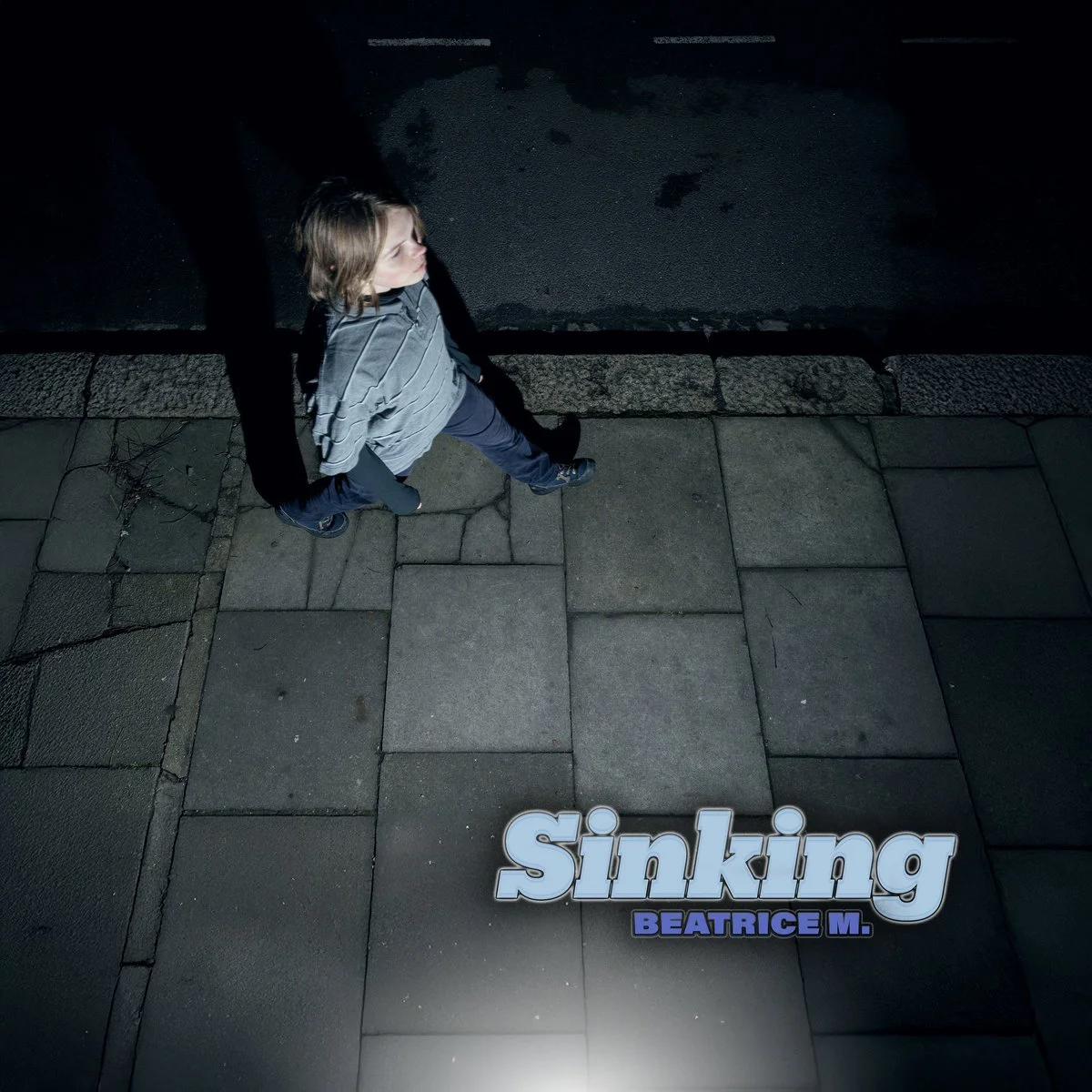
Simo Cell & Abdullah Miniawy
Dying Is The Internet
Dekmantel UFO
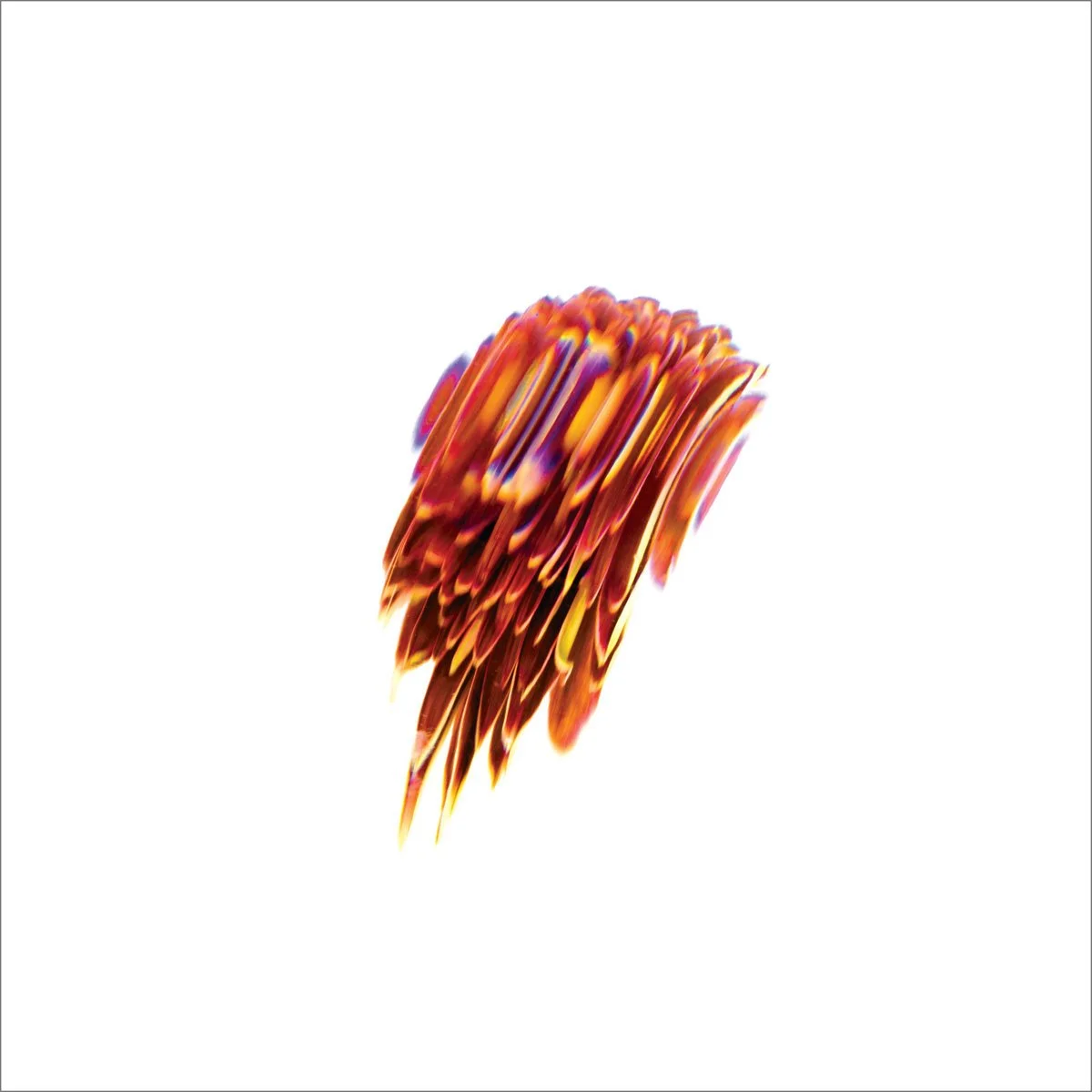
Ever imagined buying two copies of a record that includes Bass music, partly autotune infused Arabic vocals and trumpet? Why I did this with their first record and why I’m afraid I might end up doing it again with their recent LP.
This project brings together to masters of their craft, uniting for a signature sound which is difficult to compare. On first sight they might be a surprising, unexpected duo but actually they have a lot in common...
Paris based Simon Aussel, better known as Simo Cell, has been making waves with his productions since 2015. As his disography shows, he is strongly connected to and influenced by UK club music: several appearances on Bristolian establishments Livity Sound, their sublabel Dnous Ytivil, Timedance and Wisdom Teeth, plus two Mixtapes on The Trilogy Tapes and Chrome make that pretty obvious. Besides two single appearances on Fragil Musique and Lavibe, all his other work appeared on either his closely related Marseille based Brothers From Different Mothers Label or, since 2021 on his own imprint TEMƎT, which he founded in 2020. TEMƎT seemed to be just the right place to release his first two albums YES.DJ and Cuspide Des Sirènes. Besides his collection of drink tickets, his music collection which he presents regularly in DJ sets, is very impressive, too. And his way of producing makes even more sense when you take a closer look to them.
Strongly influenced by his father, passionate player of and Professor for classical Guitar Roberto Aussel, his collection goes far beyond contemporary dance music. His old-school approach wants to educate the audience and create curiosity through the unpredictable. This happens when he takes the floor on a journey from Jackin House cuts to Baile Funk, atmospheric Electro, raw Techno bangers, wonderfully silly French House anthems and – of course – loads of UK as well as US infused Bass Music and Rap in its broadest sense. Especially these two sounds build the foundation of his productions, no matter if it’s a drive-by soundtrack (Short Leg), a bouncy brain melter (Oh No!) or an ethereal, epic interlude (surface/sirens). Since his Remix for GREG’s Dembow Tronico in 2023, chopping and modulating Kayako Saeki’s horrifying voice (The Grudge) became a constant companion in many of his productions.
Introducing Abdullah Miniawy shows not only a pool of enriching contransts, but also several overlaps with Aussel’s work. The Egyptian artists has many ways to express, whether it’s writing, acting, composing, programming or, in this project, singing as well as the trumpet playing. Until today he shared the stage with artists like Kamilya Jubran, A Filleta or his Le Cri Du Caire project, which has earned the French Les Victoires du Jazz award in 2023. These names underline his origins and main habitat, but since his very first releases in 2016, he’s also wandering in the worlds of experimental electronic music. Alongside the German trio Carl Gari, he released several records on imprints like Whities (before they re-branded to AD93), Hundebiss, ULLLU, or, just like Simo Cell, on Will Bankhead’s Trilogy Tapes. So, it comes he performed in institutions like London’s Institute of Contemporary Arts, Haus der Kunst in Munich or even the Louvre in Paris, as well as Dutch Draaimolen or En Masse festival in Bristol. His work brings together traditional Arabic maqam music, experimental Jazz and Electronic, and – since he first jammed with Simo Cell in 2018– darker territories of dancefloor related music.
Their first release Kill Me Or Negotiate in 2020 on BFDM unlocked new fields for both: Aussel was used to the Eurocentric concepts of scales and melodies, so Miniawy’s quarter-tone-technique was a sudden insight. Miniawy on the other hand never got in touch with Bass heavy music, has the approach to make people dance, a field Aussel’s an expert in. This rare mix of sombre steppers, Mawwal and distorted Trumpet (exactly, Caged in Aly’s Body) was – at that time and from a Eurocentric perspective – state of the art.
Dying Is The Internet, their new eight-track-masterpiece, examines the influence of AI and other internet-related phenomena on our daily life critically. I See The Stadium is a very strong entrance to this record: Surrounded by brutal, isolated bass hits, Miniawy’s distorted chant is contemplated by Kenya-based Lord Spikeheart, who gives a preview of the rest of the LP’s vibe with guttural growling, sounds of distant laughter and choking. After the half-time beat in the first half, eerie strings seemingly build the foundation for a heavy 808-infused club beat, including a catchy, minimalist plucked melody. Lord Spikeheart closes this first chapter, inviting you to be his guest – this time rapping, not growling. Pixelated, as well as The Dala Effect show Simo Cell’s incredible ability to combine ideas of Dubstep-ish drum work, Trap aesthetics, as well as Jersey Club related squeaking sounds and military drums. Miniawy’s vocals supplement these nested, well-crafted beats with and without autotune. Besides these, on Reels in 360 and Travelling in BCC also his Trumpet play does not only match the vibe, it gives a new, unexpected twist – which, once you heard it, you don’t want to imagine these stanky faces tunes without it. The Jazz-related play with supposedly disharmonic melodies play an important role in every tune, most obviously on Tear Crime, an experimental piece that gives a little break between two bangers. Living Emojis, a critical lament, stands out not only for its Safqa-based, complex triplet beat, but beyond that in terms of arrangement and composition.
Once again they manage to create a unique sweetspot between the free world of Jazz and the functional one of Electronic Dance Music, full of well-structured chaos and possessive, full on dystopic atmospheres.
Elijah Minnelli
Ball & Socket
Accidental Meetings
The mythical community Breadminster seems to be a healthy environment for artists to grow and to drop releases quite regularly. The (apparently only) resident Elijah Minnelli is a good example.
Minnelli, after some contributions on Breadminster City Council (BCC) label (rumoured to be his very own) and Dub/step afficionado’s dearest ZamZam Sounds, has released two albums in a row: Perpetual Musket on UK institution Fat Cat and Clams As A Main Meal, again on BCC. Features of these two on outlets like The Guardian, The Wire or The Quietus underscored the waves they made.
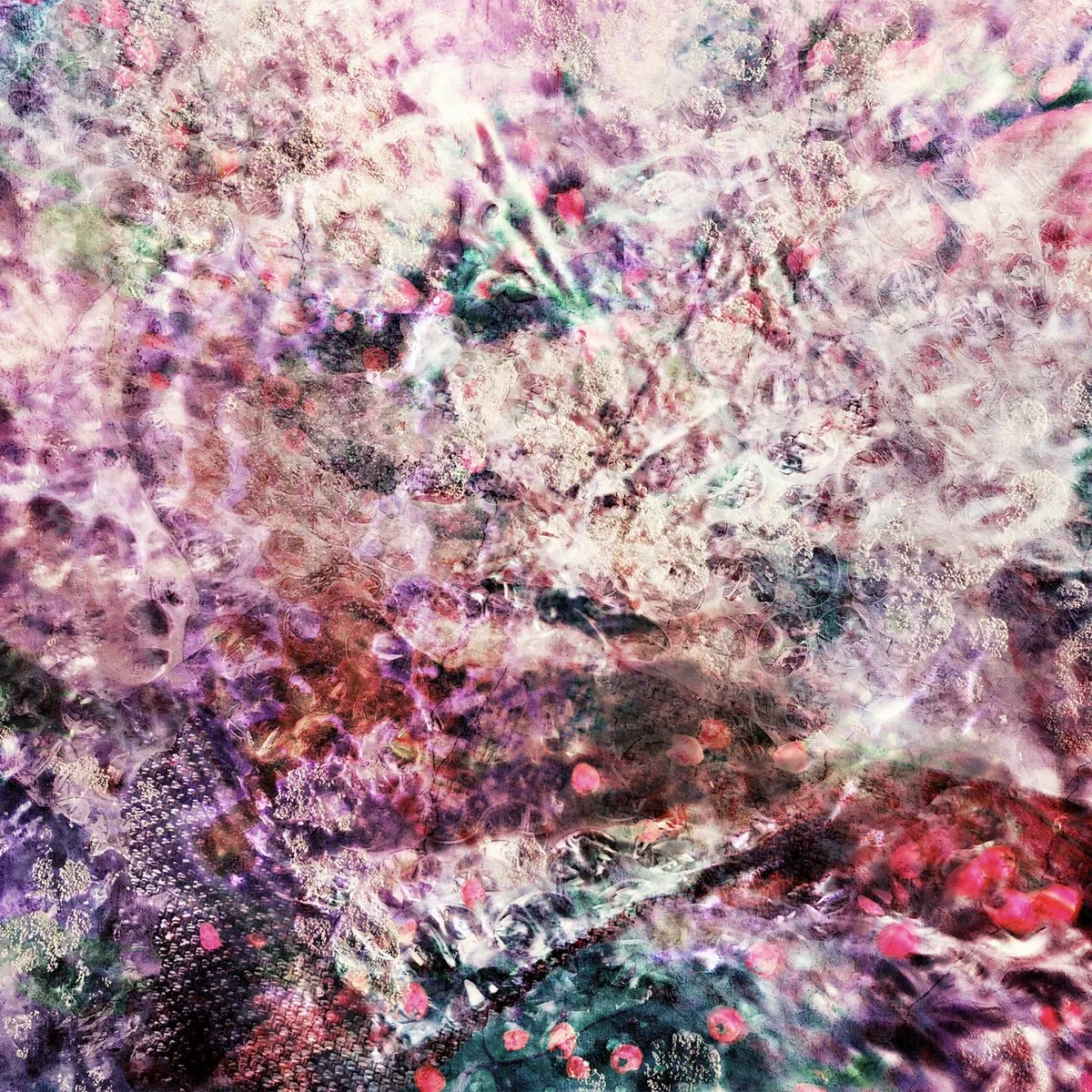
His unique, signature sound developed with every release, never losing its path: a forward- as well as (in the best way) backwards-thinking style of Reggae and Dub with influences of Cumbia, as well as styles of Folk from different areas. With Ball & Socket he returns with a new chapter of electronic Breadminster Folklore on the London/Bristolian label Accidental Meetings, his first since 2022, with classic Elijah Minnelli sound but also a bunch of unexpected sonic gifts.
Torpid opens the gate to Breadminster and reveals the first surprise: Minnelli’s voice, usually hidden behind slow, percussive steppers, now enters the foreground. Over a dark drone of Melodica chords, his moaning three-part vocal chant builds up before breaking off, leaving us behind with an acute feeling of the track’s promised torpidity.
The delicately arranged Low Country continues the previous vibe, again reduced on Melodica drones as well as different layers of Minnelli’s solemn voice. Patiently arranged, raw percussion elements add to it before they are rounded off by super slow Reggae groove and a catchy melodica melody. On Unkind (Discomix), he is joined by Berlin based Kiki Hitomi, who has a strong UK connection herself from her time as part of King Midas Sound, now focusing on WaqWaq Kingdom project. Together they create a bittersweet heartbreak-ballad, again set with Minnelli’s puristic and highly effective mix of catchy melodica melodies and dubbed out drum work. Bad Swap, the only instrumental focused cut on this 10”, closes the gate to Minnelli’s world after a last stroll across Breadminster’s plazas, taverns and of course, town hall. The farewell melody slowly fades as we’re left behind, wondering what might happen next in Breadminster…
Bim Sherman
Ghetto Dub
Week-End
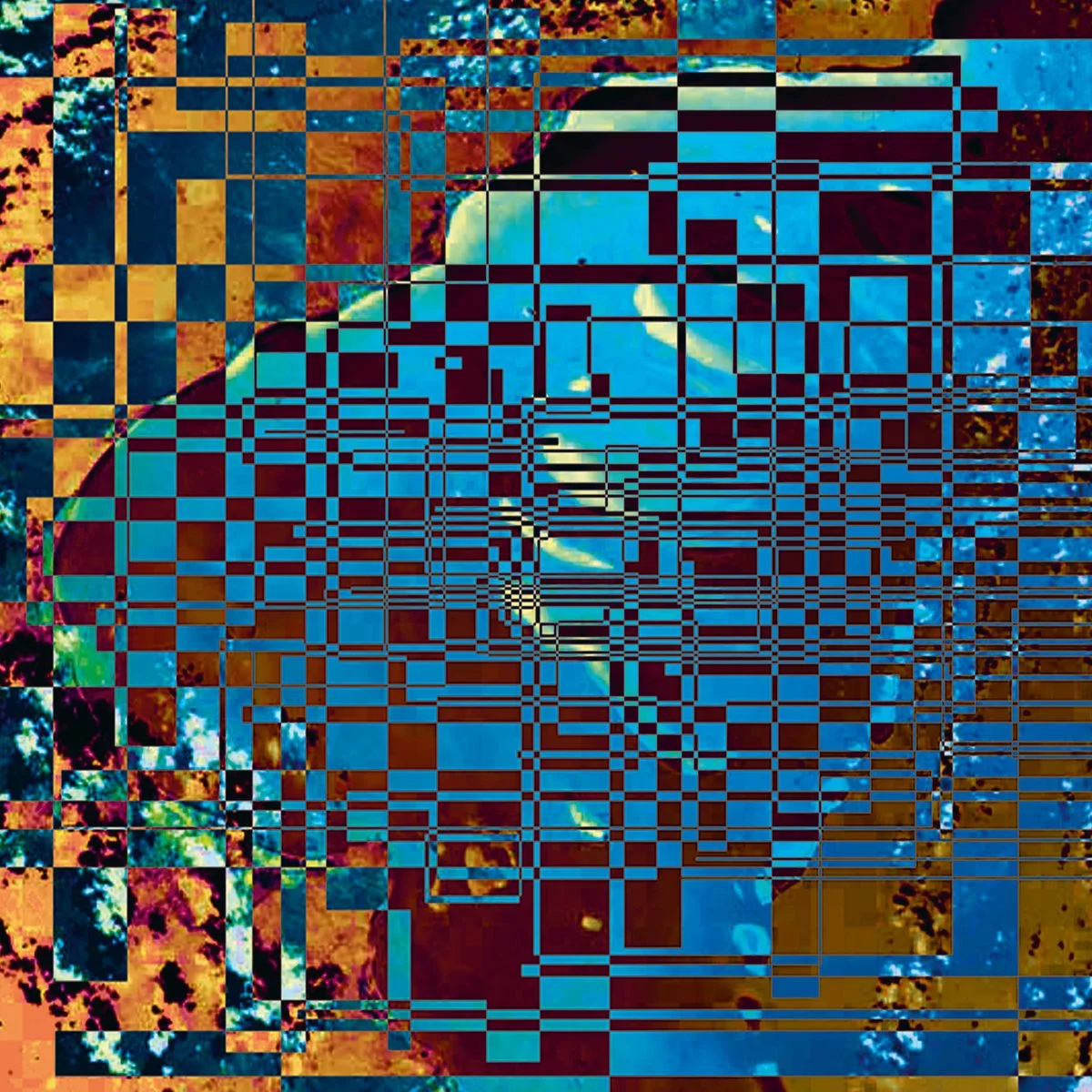
Bim Sherman obviously enjoyed the time overseas a lot and decided to stay in London, strengthening his friendship with Adrian Sherwood, amongst others with releasing on his legendary On-U-Sound label. Besides he founded his new, UK based imprint, Century Records on which he mostly released until he was diagnosed with cancer and passed away in November 2000. A few of his records aside from these two labels came out on the small, mysterious bristolian RDL Records. One of them, Ghetto Dub became a centerpiece of UK Dub history and his own work as well. Only reissued once in 1995 on his own Century Records, this rare record is an outstanding example for Bim Sherman’s craft, acting as a conduit between classical Jamaican Roots culture and UK’s adventurous experimental Dub sounds. Playful, catchy and wonderfully twisted earcandy, as well as deep, suffering meditations.
38 years after first release this masterpiece is now finally available to a wider audience, reissued on Cologne based music festival imprint Week-End.
First time a reissue is reviewed here, but frankly, we don’t have a choice. Bim Sherman (born Jarrett Lloyd Tomlinson Vincent in Kingston, Jamaica) was a pivotal figure in Jamaican Reggae scene, and its subsequent UK era. Emerging in the early 1970s, he was at the forefront of the island’s musical innovation, experimenting with cutting-edge Dub production techniques. After several releases on his own, Jamaican imprints Scorpio and Red Sea between 1975 and 1978 he established more and more. So it happened only four years later that a producer and musician from the United Kingdom, certain guy called Adrian Sherwood (who’s worth a feature himself…), got more into Sherman’s music, and invited him to join Cry Tuff founder Prince Far I. Prince Hammer to tour alongside them and Sherwood’s friends, the UK Reggae group Creation Rebel.
DJ GONZ
Magical Negro Overdrive
SELN Recordings
With continuous technical progress, making music is not only accessible to a wider range of people, but the sound aesthetics also are influenced by this progress as well. Of course, you could imitate all kinds of hardware with plug-ins, sample packs and editing, but the temptation of clean sound design fetishism is strong with digital audio workstations, and many buzzworthy labels of the last years tend to go in this direction. But there are some labels and producers, that keep their focus on working with a certain combination of hardware to create their signature sound based on them.
One of these labels is SELN Recordings, founded and run by Conrad Pack and Gonçalo Neto from London. Since 2022 the founders shaped the label’s very own sound of Soundsystem culture influenced Techno alongside other acts from their circle. Neto aka DJ Gonz himself appeared on some split-EPs on their label and released one album Messenger on London’s Jolly Discs affiliated Wain Records. He returns to his own imprint with seven tracks that underline his, as well as the labels approach.
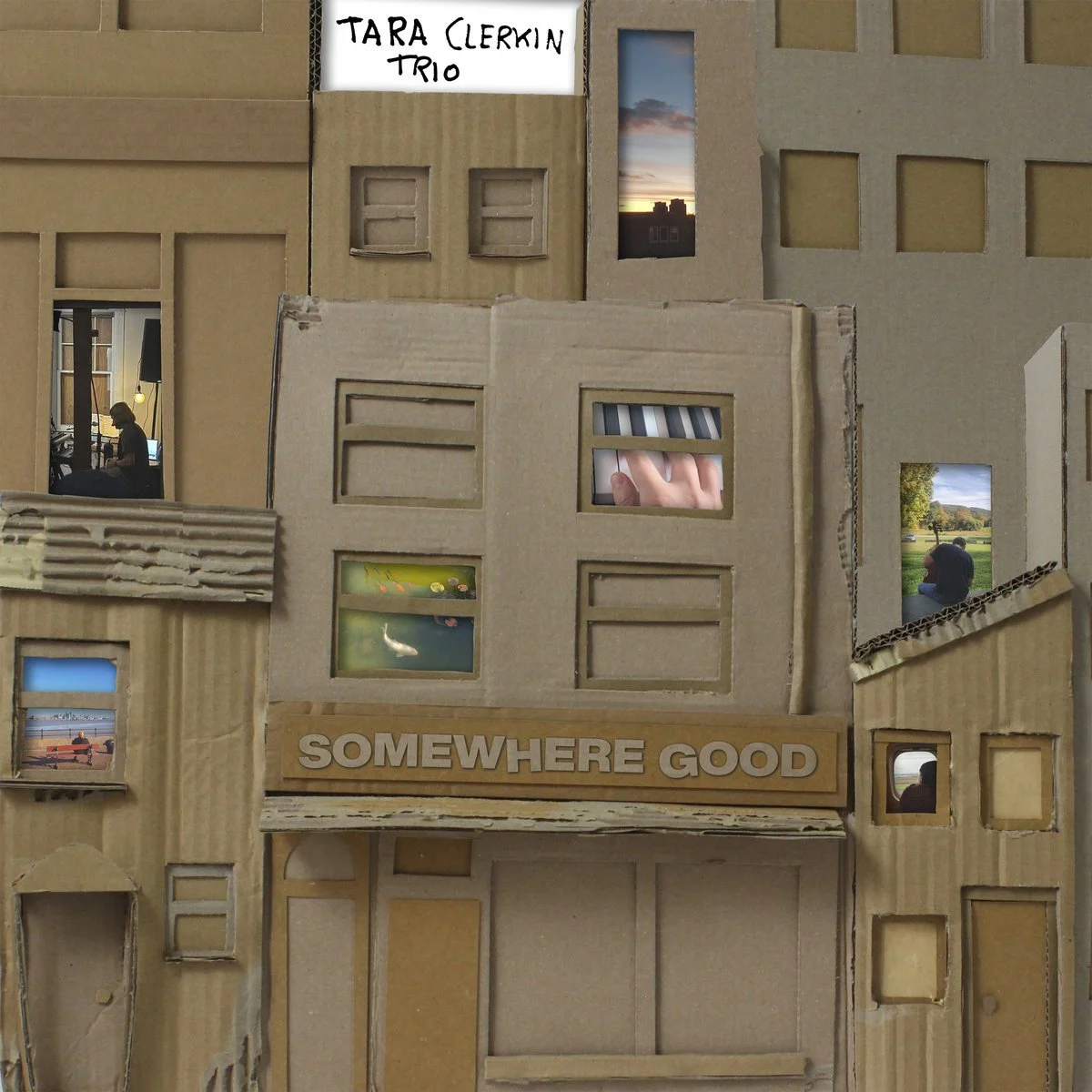
No Angles sets the tone to let the audience know they’re back in Gonz’s world: dark, moving synths and glimpses of rhythms pave the way for Who Do You Ride For?. The vibe carries over in this piece, supplemented by raw drum work, dramatic strings and a continuous acid line. Known Cause is a great example for Neto’s very own dark, warehouse Techno. A Relentlessly driving big room tool above the 150bpm. Distorted, metal inspired sounds on Becoming Something Strange make it a perfect transition between two dance tunes, not losing a bit of tension. G.O.O.D.S., based on continuous warm chords and raw machine drums, is a very atmospheric jam, only supplemented by well-crafted delayed and echoed hits. Title track Magical Negro Overdrive shows his Kuduro and Soundsystem influences very well, with a percussion sample, reminiscing of a Digital Mystikz with tons of reverb, and a stepping kickdrum groove. As before rounded up by tripped out and delayed percussion, as well as a throughout synths and bleeps. Acid sweeps like water drops alongside the signature sinewave-moving synths round off the album. Root Tears’ melancholic vibe and it’s well arranged, well meshing sounds is a patiently arranged jam for early hours.
Quoting a short snippet in from Stephen King’s Shining in the info text, where Dick Holloran is pierced with an axe by Jack (the image of Jack Nicholson attacking Scatman Crothers might appear in your head) makes a lot of sense when you listen to this piece of music.
meet eden ahbez
There are plenty of interesting, quaint biographies behind artists. Eden Ahbez’ life story is a truly unique one and his influence on the hippie movement as well as his role behind one of the biggest hits in American pop history of the 20th century have barely been too prominent.
Born in 1908 as George Alexander Aberle, he spent most of his youth in orphanages, before he and his twin sister Edith Brewster Aberle were adopted by a family in Chanute, Kansas, and raised by them under the name McGrew. In Chanute he made his first steps as a musician, with piano lessons and first steps in playing the flute and xylophone as well. Alongside his twin sister, he got a first taste of performing at local clubs or meetings. Besides his musical interest, spending time in the wilderness as a boy scout was a very important influence. After graduating, he moved to Kansas City, changed his name back to Alexander Aberle and played in an Orchestra. By 1940 he moved on to Los Angeles, California, worked in a Retail Health Food Store, and lived with the owners, a German immigrant couple named Richter. They were strongly influenced by the German / Swiss Lebensreform-movement and this struck a chord in him. Following this movement’s philosophy, they rejected capitalism, materialization, as well as urbanization, and approached a life in state of nature. Many times, he travelled with Richters through the country, writing music along these trips. He also joined the Nature Boys, a group of young men, for their part inspired by Lebensreform- and Wandervogel-movements, went on a strict raw-vegetable diet, let his hair and beard grow. He lived outdoors (even built a little cabin for himself and his wife under the second “L” of the famous Hollywood-lettering), mostly used his bike to move, wore only sandals and changed his name for another, final time: eden ahbez was born. He avoided capital letters on purpose, because in his eyes, only God’s name deserves to be capitalized.
His share allowed him to carefree continue his 'Nature Boy' lifestyle, writing and composing on his travels. In doing so, he followed no success-oriented rules of the music industry but stayed true to himself. It took ten years after Nature Boy was released, until he recorded many of the songs he has written in the meantime, and Eden’s Island saw the light of day in 1960. A true masterpiece, which combines elements of Jazz with Exotica (Polynesian instruments, late 19th century classical music and Latin rhythms along real or imitated animal sounds) alongside his unique, mystical Spoken Word poetry. It is a wonderfully dreamy and heavily spiritual but still precise explanation of his philosophy illustrated by his very own words and sounds that take you far away.
He never claimed a musical career and lived a very frugal life, so far from public attention, he lost his wife Anna in 1963 and his only son Zoma only six years later. After that he spent the rest of his life in the LA suburb Sunland, still producing music (also under a new alias eden abba) until he passed away in 1995 due to injuries from a car crash several weeks earlier. Shortly after this, came out, including his work in recent years. This album tried to take up to the vibe of his first one, but in a kitschy way and is missing out on all the Exotica influences. Two compilations of his work followed in 2014 (The Exotic World Of Eden Ahbez) and 2016 (Wild Boy (The Lost Songs Of Eden Ahbez), which both focused more on the early work of Ahbez and his productions for other artists as well.
As the legend goes, he tried to hand the sheet music of a certain song called Nature Boy to the great Nat King Cole in 1947 at one of his shows at LA’s Lincoln Theatre. Not complying the dress-code at all, he was refused by the doorman when he tried to hand it to Cole himself behind the stage, so he put it in an envelope without his address (because there simply wasn’t any) and gave it to Cole’s manager. Nat King Cole loved this piece, all about the wish for a live in accordance with man’s spiritual and natural state of existence in opposite to a state of trouble, caused by modernity. He tested the song several times on stage, with overwhelming response, so he wanted to get it recorded professionally. For this, they needed to find Ahbez to get the rights for the song but were unable to find him. Weeks later he was found and agreed to the recording of the song. It came out in 1948 and became a Billboard chart hit right away and stayed #1 for eight weeks straight. So it happened that a wider interest for the person behind the song rise in society.
Ahbez followed the invitation to join a TV show in New York to finally meet Nat King Cole, but refused the hotel offer and slept at Central Park instead (see second figure ).
Until today Nature Boy was re-recorded by artists of all following pop music eras, such as Frank Sinatra, Ella Fitzgerald, James Brown, David Bowie, Cher, or even Lady Gaga featuring Tony Bennett.
His proto-hippie way of life, as well as his music inspired the following Hippie movement, influenced genres associated with this era like Psychedelic Rock and is still present in pop music until today. About seventy years later, in the present moment, the values he departed from have intensified significantly and climate change as well as natural destruction are constantly on a rise, so listening to his music feels like a solastalgic meditation and a broad hint at the same time.
Salon des Amateurs tonight
Leipzig tonight
Bruce
four more than four
Poorly Knit
To get a better understanding of Bruce’s new release, it’s worth taking a closer look at his previous discography.
Larry McCarthy’s alter ego Bruce entered the stage in 2014 with releases on two of Britain’s contemporary club music institutions: Livity Sound’s Dnuos Ytivil and Hessle Audio. Since then, he made a name for himself with his signature sound aesthetics between breakout point testing club bangers (I’m Alright Mate or What) and delicate, touching, electronic lullabies (Summers Gotta End Sometime or Before You Sleep), again on labels Livity Sound, Hessle Audio, but also on Hemlock, Idle Hands or his good friend Batu’s imprint Timedance.
Beginning in 2022, he gave club music a break to then instead get on stage to perform live (En Masse Festival, Draaimolen Festival, or De School to name a few), all of which released as a fourteen-track tape on Timedance at the end of 2023. In addition to his well-crafted productions and knowledge of all kinds of dance music, with Not Ready For Love he also enters Avant-Pop territory – as usual with the range from dramatic high-energy anthems (Dappled Light) to subtle and tender songs (Flakes).
This album marks a turning point in his productions. Afterwards he only released one, quiet Bristolian dubby and industrial-leaning 7”, featuring vocalist ErisFM The Fool In Reverse / Red on Significant Other’s Pain Management, before he kicked off his own label project Poorly Knit in 2025. The labels narrative is his renunciation of the rise of entertaining, sound design-focused dance music in recent years.
“I wanna basically move away from the increasingly tiring sense of need for control which was happening more and more in sound design, and I feel like I want to bring in real physical world elements into the music and let that do the talking, and work around that.”
From his perspective, making sound design the centerpiece of his work creates a lack of connection to the tangible world and real emotions:
As you can tell from his previous releases, emotions play a crucial role in McCarthy’s music. He does not only express his own in music, but also wants them to be received and used for moments of catharsis on dance floors:
“I wanted to kind of step out of the lane entirely and wanted to make very human, very scary sounds.”
“I don’t necessarily agree that a dance floor should be somewhere for escapism and release and safety. I think it should be somewhere where we can exercise these feelings (fear, anger), and I want to kind of bring that tense expression onto dance floors.”
Following this approach, his choice to translate the four elements into music on the first four PORK releases makes total sense. four more than four rounds off this little series in typical style:
After taking a closer look at air (The Price / Mimicry), fire (Belly / Burned Alive), and water (The Hand), four more than four contains earth-related sample work and four remixes of previous tunes from the series.
It Ain’t Over Till… is one long crescendo, a wonderful example of Bruce’s sense of creating and playing with dynamics as well as the dramatic, and makes it the perfect choice to dive into this release. A tender, female herding call sample is the centerpiece. While it stands alone as the intro of the track, several delays build up layers over time. Straight up-tempo kickdrums are used, but they are uniquely introduced by the patient opening of a high-pass filter to drag the listener slowly from the high hills of a cow herder and back onto the dancefloor. These are then joined by refined hats and other flourishing percussive elements to confirm the listener’s suspicion that this really is a dance track. Long, droning chords drift in and all elements swell to a climactic drop, but are not unleashed. This seems to be in the next cut, Wesley’s Sniped All Our Bleedin’ K (Re-Vamped), which is very different to the previous atmosphere and is true to its name. It includes a slow, organic, industrial-spiced drum groove, massively distorted guitar riffs, and a pitched-down vocal sample, all of which create an image of welcoming the listener to some sort of chamber of horrors or Quentin Tarantino’s “Titty Twister”. Rockfall’s title says it all – earth-shattering drums, warning shouts and dramatic strings evoke a catastrophic scenario. You Were Right seems to close this chapter of productions. Sublime, stretched and moving chords, coupled with a Breakbeat, build the foundation on which a pitch-shifting, ECG-sounding element constantly switches from consonance to dissonance. A euphoric but not at all cheesy ten-minute final installment.
Vancouver-based dj_2button transforms The Hand into a psychedelic, warm but also trippy as hell Tech House jam. The siren’s call as well as the hallucinatory, flickering sounds keep you on the dance floor for thirteen minutes. Re:lax co-founder and Timedance family member re:ni took care of Golden Water Queen in just the way it suits her: re:ni’s sertraline queen mix places Bruce’s vocals in a new, polyrhythmic and soundsystem-affiliated light. The Prince boomkat mix by one of Bristol’s finest House geeks fka Boursin turns the brilliantly silly 170bpm stomper into a deep, raw and patiently crafted House groover for early and late nights. Hemlock boss and one of the UK’s living dance music legends Untold delivers the final installment with his Mirabelle Mix of Dham’s Jam. The distinctive groove and Dham’s vocal chops from the original track are shrouded by a constantly swirling, billowing bassline and an arpeggiating synth that take Dham’s Jam to an even darker, spaced-out world.
You can clearly identify the cuts as McCarthy’s work: playful dynamics, abrasive sounds and arrangements full of twists and turns. Beyond that, it’s great to see how he enters new terrain again, using his honed signature sound to pioneer new approaches to his artistry.
While this opening chapter for Poorly Knit closes the loop, it paves the way for what’s to come. The anticipation is palpable, wouldn't you agree?
Space Drum Meditation
SDM 007
Space Drum Meditation
Eddie Ness and Lars Krug (aka Liem) first appeared on Hamburg based House label LeHult, which they founded alongside three friends in 2014 and delivered some proper hits. Taking it from there, they teamed up end of 2017 released the first Space Drum Meditation 12” on the self-titled imprint in the following year. They have since released two albums and seven more singles. Given their House background, the new ground they have broken with this project is quiet surprisingly: SDM aims to connect the dots between organic instruments from the past and electronic hard- and software, made for various dance floors as well as inner journeys. Ancient tradition meets visionary future.
Their new release SMD007 sticks to that vision but this time only in form of (very) fast dance cuts.
All tracks might be above the 150bpm territory but still they managed to compose them in a very immersive way, so you might even move instinctively in half-time during a first listen. All tracks are permeated by rampant grooves made of tight kick drums and organic percussion, contemplated by levitating, stretched atmospheres.
Jehol also includes (in typical SDM fashion) a ritual vocal as well as droning horns, which creates the image of calling an armada of mounted warriors for attack. Ochre Khrisma really stands out on this release! A ninety-second-long intro of reverbed flute samples, moving sirens as well as a stretched sound, reminiscent of Indian string instruments. Only the several snippets of percussion, hiding in the background give an idea of what’s coming after the intro:
A 170bpm, straight and again galloping groove comes in the center and all previous elements perfectly interlock with it. Animalistic sounding chops of pitched and reverbed vocals round up the given eerie atmosphere and creates an image of a swarm of winged creatures in a massive cave. After a last break, atmospheres, sirens swell and the so far very Psytrance sounding tune gets turned up by a hi-hat groove (including snare ghost notes) which spices up the whole tune with some UK Hardcore aesthetics. From here the tune slowly and patiently unravels with the only creature of the air left.
After this journey, Ossifrage feels kind of slow with “only” 156bpm, but once you sunk into this very driving, polyrhythmic Techno tool it’s hard to get out. Sky Dancer rounds up the EP with a constant, wailing flute sample underneath classic SDM drum work, which builds up to a peak time banger with cutting hi-hats and acid patterns.
True to their name, this new release proves that you don't need standard Techno tempos to create an immersive experience; these four tracks are easy to get lost in, regardless of the BPM.
meet RONCE
As a result of ongoing patriarchal societies and violence against women, some artists that have suffered from this system used and still use music as their medium, for a multitude of reasons. They call their music “survival anthems” (LINGUA IGNOTA), use them to break (pop-)music’s “purity” (Jenny Haval) or to perform as an object of projection for discomfort (Gazelle Twins). One thing most of these artists’ work has in common is the deception and/or subversion of the male gaze.
One artist who just popped up in 2020 and has already ended her carrier is Zoë Villerd aka RONCE. She describes her music as “feral gore ASMR” and positions it as a method on “how to navigate through trauma and eventually come out”. This project deals with topics such as the female form and the violence and resulting traumas that comes with it.
Her first release LOLITA / Acteon in 2020, a 7” on Hajj’s DAWN Label, was not only a promising debut, it also sent subtle ripples throughout the experimental electronic music scene and depicted RONCE’s signature sound:
LOLITA, in reference to Vladimir Nabukov’s highly controversial novel, still is an uncomfortable masterpiece. A dialog-excerpt of pornography from the so called “casting video”-subgenre, isolated and jarring notes and occasional smacking/sucking-ASMR create the foundation for herself to continue the casting’s dialog whispering from a male gaze perspective. The listener is relentlessly confronted with the depths of human depravity. The B-side Acteon presents the other angry - and maybe even hateful – facet of her artistry: the ASMR on LOLITA continues, but is then accompanied by growling dogs, haunted screams and distorted drum and noise snippets.
Three albums followed, which elaborate these two forms of self-expression and trauma navigation:
Her debut LP Malignant (2021) on Boomkat’s sublabel The Death Of Rave, Aquatiqs (2021) and the seemingly last chapter CRÈVE (2024), both on DAWN records. They all follow up on Villerd’s previously described use of visceral vocal samples and her whispering and screaming, as well as harrowing deconstructed Beats and industrial black metal aesthetics. CRÈVE also includes some features that are worthy of note, such as DAWN label boss Hajj, Australian Indie Rock icons HTRK or Exploited Body, who’s work about toxic relationships with our bodies is very close to her work.
click image for snippets
Spanning five years, these releases show how RONCE still delved into rage, disgust and masochism but also self-acceptance – the trauma still seems to be present but she seems to have emancipated herself from its control and now she’s in charge.
She teamed up with the French duo Modern Collapse from the DAWN orbit for a last release in August 2025. This one contains the same brutality and eeriness but is more focused on industrial-leaning, deconstructed Bass music playing an important role instead of her voice on Ravage.
Given the fact that CRÈVE was announced as a “probably last” album by RONCE, it wasn’t really surprising she ended this project with a detailed explanation of her work and why it has come to an end in December 2025.
“what started as a way to regain power ended up make me feel powerless once more, partly why it ends”
The fact she also called out parts of the music scene that are “uncomfortable” with the topics she dealt with shows the importance of her work: subcultures are embedded in societies and a mainstream way of thinking as well its taboos, and if emotions like rage, hate and disgust as well as topics like sexual violence or self-disgust are not even fully accepted in subcultural spaces, the way to establish them in mainstream society is even more distant.
Swing by if you’re in Cologne
ugne&maria
ZOTASPHERE
Hands In The Dark
Three years after their very first release, Brussels based duo ugné&maria return with their first LP, out on Hands in the Dark. In the meantime since their debut tape “HEALING” on Futura Resistenza label, it seems they’ve found their signature sound even more. You can find commonalities between both releases in terms of slow tempo, a mix of multi-instrumental and electronic hardware, as well as strong bass accents. Especially this aspect has increased and is now found on all tunes of ZOTASPHERE.
All over the sound of the Brussel based turned towards a pretty dubby direction, and here’s where the new release goes in a different direction; while “HEALING” takes you on a wide journey through diverse vibes and sounds, ZOTASPHERE is very cohesive but still keeps captivating throughout. Besides the already mentioned focus on the 120bpm territory (that might even feel like 60bpm), their work on this album is constantly shaped by dreamy and playful interaction of delayed synthesizer and samples, all composed very patient and prudent.
Despite the common thread on the full album, all tracks maintain their own distinct character: la tete vide, a kind of mysterious jam of percussive elements, synthesizers, guitar and staccato bass play, feels like peeking through a curtain. Xmas rec reveals parts of the previous mystery but keeps a certain level of it by a wonderful dubby halftime jam, contemplated by a pitch-gliding bass line and well-crafted call & response between these elements, delayed chords and pieces of melodies. I contain multitudes uses pitched, echoed vocal snippets, machine drums and a well curated play with embraced dissonance, which keeps the murky mood alive in the track, too. You can clearly hear similarities to Maria Rasa Kudabaite’s solo project emer (TIP!) wonderfully complemented by Ugné Vyliaudaite’s (violin) work.
The album could provide the perfect soundtrack for a series or movie about a very cool, kind of rebellious but spacey detective (maybe this is the impetus for a contemporary Miss Marple remake).
Dialog
DOT 4 (feat. Benji)
Dialog DOT Records
Dub Techno is so back!
Marked by Paul St. Hilaire’s new nine-tracker album, released on Kynant w/ The Producers at the end of September 2025. Few have shaped this sonic aesthetic like Tikiman, infusing mechanical yet atmospheric Dub Techno beats with unique, Reggae-rooted vocals. But the new dawn of this genre brings a bunch of new producers and vocalists. The production and live performance collaboration between Finnish producer Rasmus Hedlund and Dutch artist Samuel van Dijk (well known for his output as VC-118, Multicast Dynamics and others) is a good example.
Following their debut release, a wonderful Dub-infused 2x12 journey on Ambient institution Astral Industries, they teamed up with Jamaican vocalist Benji in 2023. Their mix of meditative Dub sounds and hypnotic murmur-improvisations really resonated deeply. Since DOT 1, three releases followed, again with Benji but also his vocalist partner Josei and, lately, an instrumental live recording from French Pe:rsona festival. Now they return with a new release on their own imprint DOT, which stands for Dialog Of Thoughts. On DOT 4, they are again joined by Benji.
Chant binds together a minimalistic Dub Techno jam and Benji’s poignant chants, which encourage the listener to raise their voices and strengthen their self-belief. Heavy Bass and sustained horns in the distance on the one hand and empowering lyrics on the other hand work in perfect harmony on this tune. On Chant’s version, the Dub Chors and several delayed sounds stand out even more.
Silence is a dreamy halftime stepper that really draws you into its sonic depths. Slow but clear drum work is surrounded by warm bass and bubbling sounds, whereas levitating, moving chords meet Benji’s emotive soaring vocals. The Version drifts even deeper into the hypnotic and wonderful submerge into the abyss. Scape feels like a reminiscence of their (previously noted) AI-record, which is the essence of meditation, now where crackles, bubbles synths and sparse shakers find their way into the center of attention.
By releasing all Silence versions with (nearly) the exact same duration as the vocal tracks, the synergy between Dialog and Benji is brought to the fore, allowing for a deeper appreciation of every fine detail. This approach also honors the heritage of Reggae and Dub in an authentic way, inviting the listener to drift deep into the sonic abyss of their collaborative work.
Charts at the end of the year are a great invention, and everybody benefits from them…right? Music aficionados can explore tons of music which they might have overlooked throughout the year, artists and labels see their music back in focus weeks or months after the initial release, and platforms see a new opportunity for streams, buys and strengthening customers loyalty. But while these charts are really in focus, a lot of music that came out at the end of the year is pushed to the wayside.
So here are some releases that came out between early November and late December that did not have the chance to unleash their full force to end up in the charts (in order of release date):
Overshadowed by Charts
Releases from the end of the year
Ugné Uma
Rage Love Strange Love / Someone Call Donna
Somewhere Press
After several singles on her bandcamp and a release with Sam Gendel, Ugné Uma releases her debut on Glasgow’s Somewhere Press. And what a debut that is!
The Lithuanian underground Jazz and Neo Folk artist impresses with a mix of simplicity and breathtaking emotionality. The slow, repetitive beat on the title track is reminiscent of postpunk, while her voice repetitively sings the song’s title in Uma’s signature pitched down voice, accompanied by piano chords. Version II dispenses with beats but all the more of her full, untouched voice (+ herself in the second voice) which is so unique and – in this case – heartbreakingly fragile.
This could have been enough for a great release, but Someone Call Donna gives it a wonderful twist. Uma’s beautiful voice is just accompanying herself, experimenting with poetry on a Piano & Bass jam session.
Xenia Reaper
Nept Polarisation
Delsin
Xenia Reaper on the Dutch institution Delsin – the record pretty much sounds like what this combination suggests.
In parts, it sounds just (as good) as you would expect from them. Crisp textures, weightless DnB influenced drum work, underlined by hyperpop affiliated Ambient soundscapes. But still they present a different side of Xenia Reaper on this release; hard, glitchy IDM ventures and dark, big room kick drums with drowning Bass elements (Nept Polarisation), but always with a twist. You’re never really safe in the ambient zone, never fully agitated to rave. A wonderful balance between hectic sensory overloading drums/textures and soothing, engaging spheres.
The Bug vs Ghost Dubs
Implosion
Pressure
Probably the bass heaviest release of these last two months of the year: Pressure Label Boss Kevin Richard Martin (aka The Bug) teamed up with Michael Fiedler (aka Ghost Dubs) to continue their work after the Imploded Versions 12” back in August, this time on a double 12”.
In alternating order, they both present tunes between Dub, Dubstep and Chain Reaction leaning Dub Techno. Dark and superheavy sounds, stripped-down arrangements, mostly Halftime tunes. It feels like wading through mud in a truly post-apocalyptic environment. Rumbling & pulsating bass, drowning dubs and metallic drums build the framework, and these are all rounded up by fine, distorted noise, harmonics, and glimpses of dub sirens so that every track is given just the right amount of detail to not disturb the low-end meditation.
Subwoofer is a must here, pure Soundsystem treatment!
Various Artists
Short Tracks
Short Span
The Sheffield-based Short Span label finishes a very productive year with a 2xCD compilation, which reflects the label’s sound very well. After seven releases since their founding in 2025 by Sa Pa, Mammo, Angel Hunt, Conna Haraway, Yu Su, and emer (Fog is still on repeat), they put together tunes by some of these artists and others like Eden Aurelius, Mount Kimbie & Klaus or Lucas Dupuy. Hazey Ambient, pulsating Dub and well-crafted Techno cuts.
U.e
Other Girl
28912
Ulla Straus aka U.e transports us once again into their wonderful, gentle world of sounds and provides the perfect on-repeat-release for this indoor time of the year. Other Girl sounds like a spin-off of their album Hometown Girl, released in January. A carefully collected release of 10 pieces, full of their very own sound aesthetic which is made up of jams - including woodwind, piano, strings and fragile vocals with and without autotune – that do not follow odd guidelines of time or high-fidelity recordings. Ignoring the autotune parts, this release could easily be a gem from early/mid last century which fills up Discogs comment sections with despair for a copy. It feels like a morning’s first blink after sleeping on a cloud.
Jazz, Ambient, Indie - just stunning.
click image to listen
FLORENCE
A Requiem For Prime Time TV
Fleetway Tapes / A Colourful Storem
A beautiful mixtape that gives a 62 minute-long insight into FLORENCE’s wheelhouse. With her work as an author for MUBI’s film mag Notebook and her NTS Show Sounds On Screen, she regularly dives deep into the art of soundtracks. This tape is a collage of music and snippets from movie scenes that work seamlessly hand in hand. She takes us from New Age and Ambient to Folk, Jazz and Soft Rock score music, always with subtle guidance through different atmospheres. This way she provides a wonderful soundtrack for the listeners whenever they take the time to just listen.
With this tape she joins the rank of Mixtapes on A Colourful Storm’s Fleetway Tape series after contributions by Felix K, Time Is Away, Vladimir Ivkovic and others.
Mohammad Reza Mortazavi
Swamp (Ricardo Villalobos Variation)
Latency
Two masters of their craft on one release. Tombak & Daf meets Minimal Techno. After Iranian percussionist Mortazavi’s latest solo LP Nexus from October, Swamp is brought to a much larger audience through a remix by none other than Ricardo Villalobos. He spotted the potential of the about 4-minute-long original track, which you can easily picture in a DJ set of his: minimalistic, continuous, straight Tom pattern filled with the characteristic Bak, Pelang or nail scrapes. He turned this percussive tool into a 24-minute-long Minimal Techno excursion by sampling the original 1:1 and spicing it up with typical RV sounds like mesmerizing modular jams, a catchy plucked string melody and highlights of certain aspects of the given sample.
Vladimir Dubyshkin
jane doe’s secret
Trip
While his music is not exactly undercover, this release deserves a closer look: Dubyshkin’s really knows how to produce proper peak time hits. His Techno is made for big stages, often Psy-infused, and full of super catchy (silly) melodies, pitched vocals or accordionic chords that are reminiscent of Wolfgang Voigt’s Polkatrax-series. You definitely find this classic Vladimir Dubyshkin sound on this release, too, but especially what’s bitting you? and party with exit visa show that he’s not stuck in his own world but is definitely inspired by Dubstep/Latin Bass music such as TraTraTrax or Hamdi, both of which have pushed this sound to the foreground in recent years.