
meet: Ronce
As a result of ongoing patriarchal societies and violence against women, some artists that have suffered from this system used and still use music as their medium, for a multitude of reasons. They call their music “survival anthems” (LINGUA IGNOTA), use them to break (pop-)music’s “purity” (Jenny Haval) or to perform as an object of projection for discomfort (Gazelle Twins). One thing most of these artists’ work has in common is the deception and/or subversion of the male gaze.
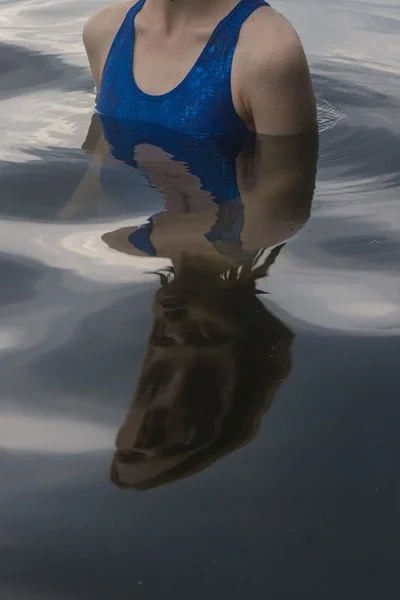
One artist who just popped up in 2020 and has already ended her carrier is Zoë Villerd aka RONCE. She describes her music as “feral gore ASMR” and positions it as a method on “how to navigate through trauma and eventually come out”. This project deals with topics such as the female form and the violence and resulting traumas that comes with it.
Her first release LOLITA / Acteon in 2020, a 7” on Hajj’s DAWN Label, was not only a promising debut, it also sent subtle ripples throughout the experimental electronic music scene and depicted RONCE’s signature sound:
LOLITA, in reference to Vladimir Nabukov’s highly controversial novel, still is an uncomfortable masterpiece. A dialog-excerpt of pornography from the so called “casting video”-subgenre, isolated and jarring notes and occasional smacking/sucking-ASMR create the foundation for herself to continue the casting’s dialog whispering from a male gaze perspective. The listener is relentlessly confronted with the depths of human depravity. The B-side Acteon presents the other angry - and maybe even hateful – facet of her artistry: the ASMR on LOLITA continues, but is then accompanied by growling dogs, haunted screams and distorted drum and noise snippets.
Three albums followed, which elaborate these two forms of self-expression and trauma navigation:
Her debut LP Malignant (2021) on Boomkat’s sublabel The Death Of Rave, Aquatiqs (2021) and the seemingly last chapter CRÈVE (2024), both on DAWN records. They all follow up on Villerd’s previously described use of visceral vocal samples and her whispering and screaming, as well as harrowing deconstructed Beats and industrial black metal aesthetics. CRÈVE also includes some features that are worthy of note, such as DAWN label boss Hajj, Australian Indie Rock icons HTRK or Exploited Body, who’s work about toxic relationships with our bodies is very close to her work.
Spanning five years, these releases show how RONCE still delved into rage, disgust and masochism but also self-acceptance – the trauma still seems to be present but she seems to have emancipated herself from its control and now she’s in charge.
She teamed up with the French duo Modern Collapse from the DAWN orbit for a last release in August 2025. This one contains the same brutality and eeriness but is more focused on industrial-leaning, deconstructed Bass music playing an important role instead of her voice on Ravage.
Given the fact that CRÈVE was announced as a “probably last” album by RONCE, it wasn’t really surprising she ended this project with a detailed explanation of her work and why it has come to an end in December 2025.
“what started as a way to regain power ended up make me feel powerless once more, partly why it ends”
The fact she also called out parts of the music scene that are “uncomfortable” with the topics she dealt with shows the importance of her work: subcultures are embedded in societies and a mainstream way of thinking as well its taboos, and if emotions like rage, hate and disgust as well as topics like sexual violence or self-disgust are not even fully accepted in subcultural spaces, the way to establish them in mainstream society is even more distant.
